Custom web platforms
Applications designed around how your business actually works, rather than a template bent until it nearly fits.
Product Engineering
Web platforms and the services behind them - data models, APIs, integrations, and the admin screens your own team works in all day. Built to carry real traffic, and to be handed to a developer who has never met us.
Most of the web application development work that reaches us is a rescue rather than a fresh start. A tool the business outgrew, a portal nobody wants to touch, a system where a small change takes three weeks because nobody is sure what it will break. The build is the easy half. Understanding what already exists is the half that decides whether the project works.
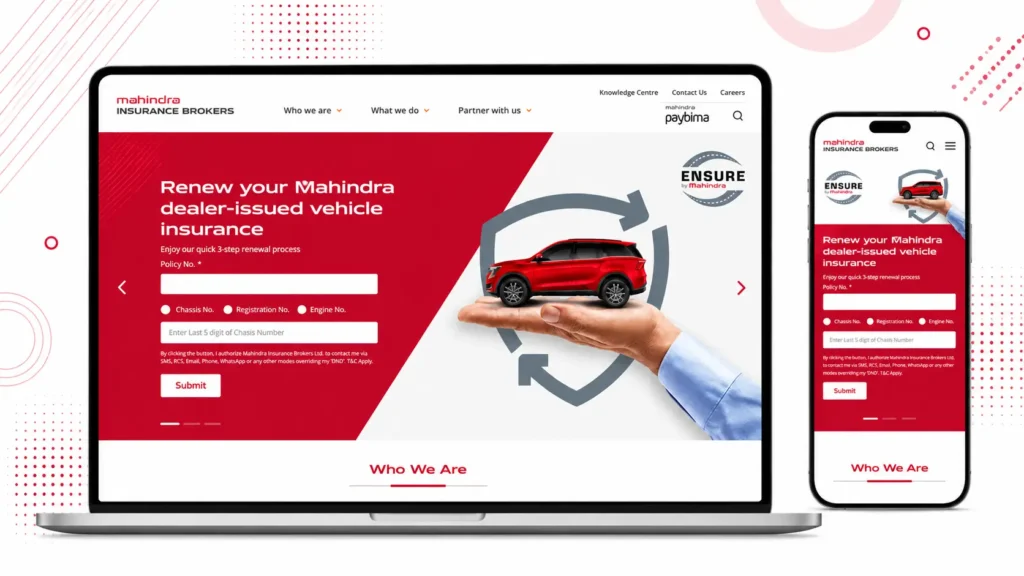
We are a web application development company in Delhi, building since 2011. Two of the systems on our work page are exactly this shape: the academic platform for NSUT, which has to hold up through admission season, and the Drupal modernisation for Mahindra Insurance Brokers.
What we will tell you before you commit: sometimes the answer is not a rebuild. If the sensible move is to fix the three things that actually hurt and leave the rest alone, we will say so, even though it is the smaller piece of work.
Applications designed around how your business actually works, rather than a template bent until it nearly fits.
Services that connect the systems you already run - CRM, payment gateways, ERP, and third-party data feeds - so they agree with each other.
Replacing a system that no longer fits, in stages, while it keeps running. We have done this on enterprise Drupal and PHP estates.
The screens your staff use every day. These decide whether a platform is adopted, and they are usually the part that gets rushed.
Finding what is actually slow - usually the database, rarely the framework - and fixing it against measurements rather than guesses.
What is different about how this team does the work, rather than what every agency says about it.
Schema, service boundaries and integration contracts are decided and written down first. These are the decisions that become expensive to reverse once there is real data in production.
You get something usable early and react to it, instead of approving documents for three months and seeing software at the end.
Handover documentation and a codebase someone else can read are part of the deliverable, not a favour at the end.
If we think the scope is solving the wrong problem, you hear it before the quote rather than halfway through the build.
Chosen for what the project needs, not for what is new. If you already have a stack, we work in it.
Named pieces of work inside this capability, each with a known shape and a scoped price.
Practice websites for doctors and clinics, with booking that goes into the system the front desk already uses.
WordPress when the people updating the site are not developers. Built so pages get published without a ticket.
For sites with hundreds of editors, real approval workflows and compliance that is audited.
Drupal 7 is end of life and unpatched. This is the work of getting off it, in stages, with the site live.
Performance work that starts with measurement and ends with a comparison, not with a checklist.
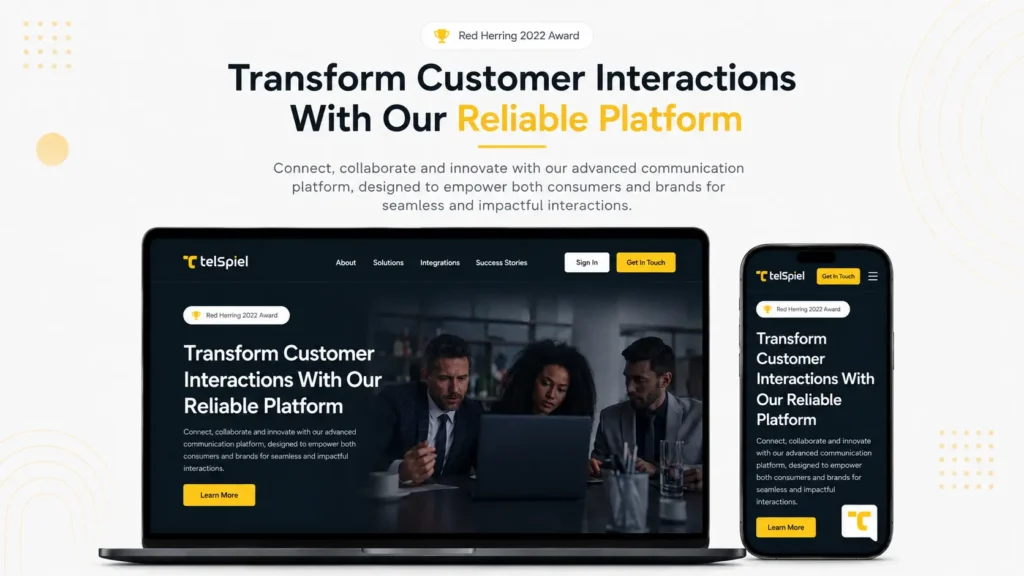
Telspiel
Engineering a High-Performance Digital Hub for Enterprise Communication
NSUT
Engineering a Scalable Drupal Platform for a Premier Technical University
Mahindra Group
Enterprise Drupal Modernization for BFSI Leaders
Yes, and a good share of our work starts that way. We begin with a short audit of the code, the data and the deployment, and give you a written assessment of what is safe to keep and what needs replacing - before quoting the work itself.
That is the intention. The codebase, the documentation and the deployment process are handed over, and we will onboard your developer. Clients who stay with us do so by choice rather than because they are locked in - several have been with us for eight years or more.
Scope changes are expected on any real project. We price them separately as they come up rather than absorbing them quietly, so you always know what a change costs before we make it.
Yes. Sometimes we build the whole platform, and sometimes we take one service or one layer of the stack while your team keeps the rest. Which is right depends on where your team is already strong.
Send us the problem and the constraints you already know about - an existing system, a deadline, an integration you cannot change. You will get a straight answer on whether we are the right team for it.
Vikalp Development
We usually reply within one business day