
Why is legacy system modernization important?
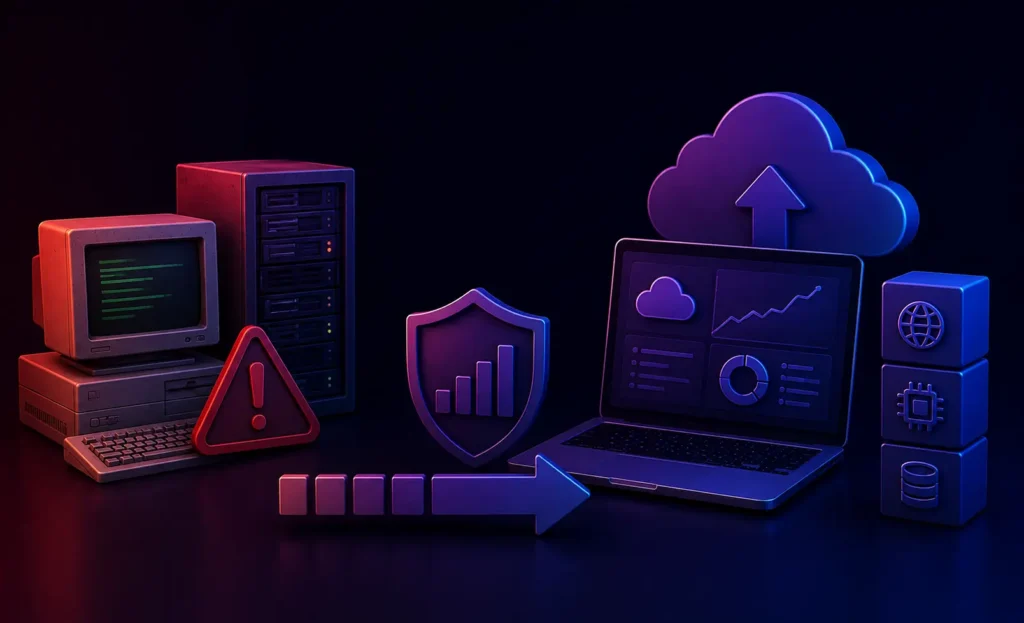
Legacy system modernization is important because outdated software poses severe security risks, prevents integration with modern cloud APIs, and incurs massive “technical debt” maintenance costs. Modernizing legacy systems allows enterprises to scale efficiently, utilize modern AI tools, and eliminate the risk of catastrophic system failures.
For Enterprise IT Directors, the phrase “If it ain’t broke, don’t fix it” is a dangerous operational philosophy. In the realm of enterprise software, a system doesn’t have to break to become a massive liability; it simply has to age.
Countless global enterprises-particularly in the Financial Services and Healthcare Industry-are still running essential operations on software built fifteen or twenty years ago. These legacy systems are the digital equivalent of a ticking time bomb.
In 2026, the cost of maintaining obsolete technology has vastly outpaced the cost of replacing it. Legacy system modernization is no longer an optional IT project; it is a critical survival imperative. Here is why you must update legacy software before it cripples your enterprise.
The Crushing Burden of Technical Debt
Technical debt is the implied cost of additional rework caused by choosing an easy, limited IT solution now instead of a better approach that would take longer. When a system is twenty years old, the technical debt is staggering.
Legacy systems are notoriously brittle. Because they are often legacy systemic (as we discussed in our guide to Microservices Architecture), attempting to add a single new feature can cause unexpected crashes across the entire platform. Finding engineers who are proficient in decades-old programming languages (like COBOL or early versions of PHP) is becoming nearly impossible, making maintenance incredibly expensive.
Severe Security Vulnerabilities
The most pressing reason for legacy system modernization is cybersecurity.
Outdated software is rarely supported by its original creators, meaning it no longer receives critical security patches. Hackers are highly aware of the vulnerabilities in legacy software frameworks. When an enterprise houses sensitive user data on a server running a deprecated operating system, it is an open invitation for ransomware attacks.
Modernizing your infrastructure through expert Custom Web Development allows you to implement modern security processs, such as End-to-End Encryption and automated DevOps Engineering security scans, ensuring your data is protected against 2026-level threats.
The Inability to Integrate and Innovate
Modern businesses thrive on connectivity. Your software must communicate with third-party CRMs, payment gateways, and advanced analytics tools.
Legacy systems were built in silos, long before the era of RESTful APIs. If your core operational software cannot connect to modern APIs, your business is paralyzed. You cannot implement automation, you cannot utilize deep AI Integration, and you cannot offer modern digital experiences to your customers via a Mobile App.
Modernizing a legacy system often involves building an API layer over the old database or migrating the entire logic to a modern framework like React & Next.js, instantly unlocking the ability to integrate with the global digital platform.
Migration Strategies: Rip and Replace vs. Phased Evolution
The fear of operational downtime is why most IT Directors delay modernization. However, you do not have to unplug the old system overnight. There are two primary legacy migration strategies:
- Rip and Replace (The Big Bang): This involves building a completely new custom software platform in the background. Once it is fully tested, you migrate the data, shut down the legacy system, and launch the new one simultaneously. This is risky but offers the fastest path to modern capabilities.
- Phased Evolution (The Strangler Fig Pattern): This is the preferred method for massive enterprises. You slowly build modern microservices that replace specific functions of the legacy system one by one. Over time, the new system “strangles” the old one until the legacy codebase can be safely retired with zero operational downtime.
Conclusion
Clinging to outdated technology because it is familiar is a strategy that leads to obsolescence. The financial drain of technical debt, the looming threat of catastrophic security breaches, and the inability to innovate require immediate action. Legacy system modernization is an investment in the future agility and security of your enterprise.
Is outdated software restricting your business growth?
Our enterprise architects at VDPL specialize in risk-free legacy migration and modernization. Contact us today to discuss a strategic transition to a modern cloud infrastructure.
Frequently Asked Questions (People Also Ask)
What is a legacy system?
A legacy system is an outdated computing software or hardware system that is still in use. While it may still perform the functions it was originally designed to do, it is generally slow, difficult to integrate with modern technology, and highly vulnerable to security breaches.
What is legacy system modernization?
Legacy system modernization is the process of updating or replacing outdated software systems to improve operational efficiency, security, and scalability. This often involves migrating legacy systemic architectures to modern cloud-based microservices or completely rewriting the application in a modern programming language.
Why is it so hard to replace legacy systems?
Replacing legacy systems is difficult because they are often deeply embedded in a company’s daily operations. Documentation for the original code is usually missing, and business leaders fear that migrating millions of rows of data to a new system will result in catastrophic data loss or prolonged operational downtime.